Chargement...
Chargement...
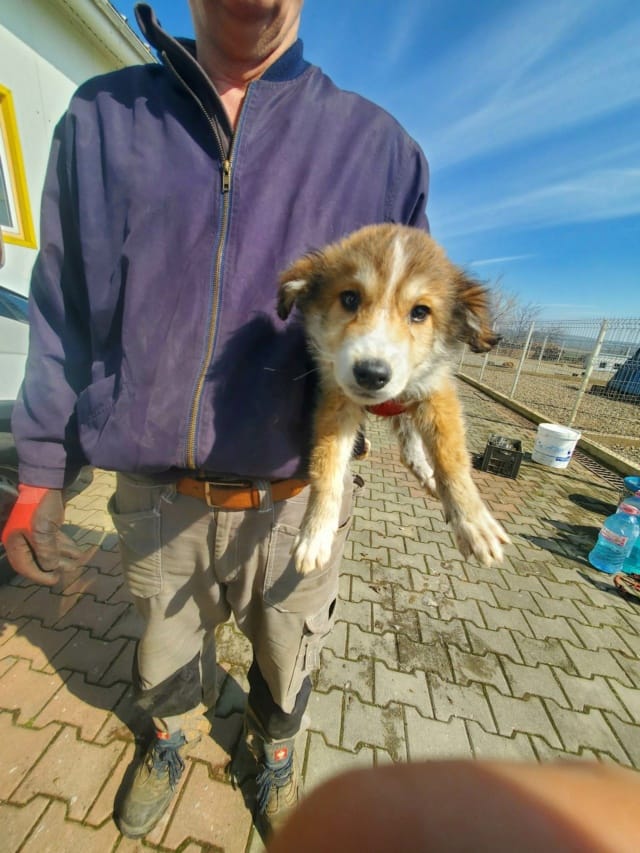
Dog overpopulation in Romania is not inevitable. It is the consequence of a lack of sterilization. Every sterilized female means a litter of 6 to 10 dogs saved from potential abandonment.
A female dog can have 10+ puppies per year. Sterilization stops this uncontrolled reproduction.
Fewer dogs born = fewer dogs dying on the streets each day.
Sterilization reduces certain cancers and hormone-related aggressive behaviors.
Because it doesn't work. Removing stray dogs does not durably reduce their numbers: the survivors keep breeding and the population rebuilds within a few years. Only sterilization breaks the cycle at the source, without suffering. It is more humane, and it is the only method that lasts.
Collaboration with trusted local veterinarians to perform sterilizations.
Each dog receives an electronic identification microchip (RFID), registered in its name.
Post-operative visits and care to ensure recovery.
Dogs return to street life (or repatriation if in danger).
Expected population over 10 years with 50 sterilizations per month.
Fewer dogs = fewer resources needed for rescue operations.
Less reproduction = less transmission of congenital diseases.
Dogs less aggressive, fewer bites and accidents.
« Sterilizing isn't preventing life. It's preventing suffering from being born on the street. »
Remember Me France
Want to act?
Support the program →Dogs Sterilized
Since launch
Sterilizations per month
2026 Target
Sterilizations / year
Target 700 by 2026
Sterilization (female)
Castration (male)
Since the program began, we have sterilized more than 2,000 dogs. Every sterilized female means entire litters that will never be born on the street, and that many lives spared from a life of wandering.
€40 = one full sterilization (anesthesia, surgery, recovery, post-op care). It prevents dozens of future births on the street.
Donate for sterilizationsThe stray dog is gently captured and brought to the shelter or veterinary clinic. Observation and feeding to stabilize before the operation.
Complete health assessment. Rabies vaccine if necessary. Assessment of operation feasibility. Adapted anesthesia.
Surgery performed by qualified veterinarian. Ovariohysterectomy (female) or castration (male). Aseptic and modern techniques.
Implantation of an electronic microchip. Data recording for monitoring. Identification recorded in file.
Hospitalized 2-3 days. Antibiotics and painkillers. Regular wound cleaning. Check-up visit one week after.
Once healed and stabilized, the dog is either repatriated for adoption or released in its area (if it was a stray in a safe environment).
In partnership with the municipality of Pascani, Remember Me France runs a sterilization program for stray dogs directly on the streets. The principle: capture, sterilize, then release dogs back to their environment. This method, recognized by the WHO, is the only sustainable approach to reducing the stray dog population.
In 2026, the goal is to sterilize 700 animals, approximately 58 per month, in coordination with the Apistopvet veterinary clinic of Dr. Lucian Radu.
30 to 40 euros enable us to sterilize one dog and sustainably reduce overpopulation.